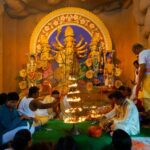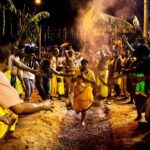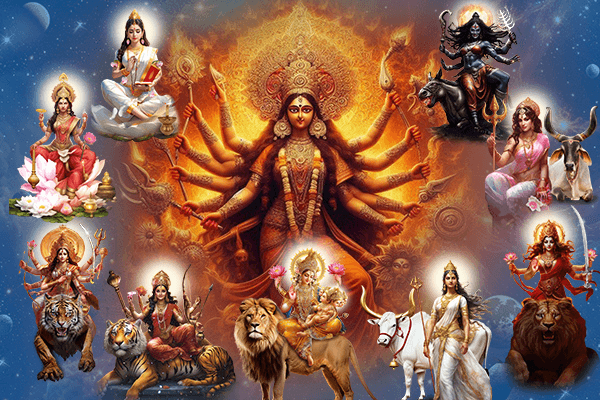
Navratri, one of the most well-known Hindu holidays, has profound spiritual significance and is observed in Hindu communities all over the world. “Navratri” means “Nine Nights” in Sanskrit. During these nights, people worship the nine forms of the Goddess Durga, known as the Divine Mother. This festival goes beyond religious observance; it is a significant spiritual journey that honors the strength, energy, and compassion of the Divine Feminine.
The Essence of Navratri: Celebrating Shakti
At the core of Navratri is the idea of Shakti, the primordial cosmic energy that represents the dynamic forces of the universe. Shakti embodies the Divine Feminine and is celebrated in her various forms throughout these nine nights. Each form symbolizes a unique aspect of life, such as courage, wisdom, beauty, fertility, and spiritual awakening.
This festival celebrates these energies not just through rituals and festivities but also encourages devotees to awaken and recognize these forces within themselves. Navratri serves as a reminder that every person, regardless of gender, holds the potential for strength, resilience, and divine grace.
The Nine Forms of the Goddess
Each day of Navratri is dedicated to a different manifestation of Goddess Durga, collectively known as Navadurga. These forms represent the soul’s journey from the material world to spiritual realization.
Shailaputri – The girl of the mountain, who stands for purity and love.
Brahmacharini – The goddess of penance and austerity, representing spiritual growth.
Chandraghanta – The goddess of serenity and calm, who grants courage and strength.
Kushmanda – The originator of the universe, linked to well-being and vigor.
Skandamata – The mother of Kartikeya symbolizes maternal love and safeguarding.
Katyayani – The warrior goddess, symbolizing bravery and righteousness.
Kalaratri – The ferocious shape that vanquishes darkness and ignorance.
Mahagauri – The emblem of purity and tranquility, fostering inner serenity.
Siddhidatri –The source of extraordinary abilities and knowledge.
Each goddess teaches devotees important lessons about facing life’s challenges, embracing inner strength, and progressing spiritually.
The Symbolism of the Nine Nights
Navratri is not just about external worship; it represents an inner spiritual process of transformation. The first three days focus on eliminating negativity, as shown by Goddess Durga’s fierce forms. This stage indicates the purification of one’s mind, body, and soul. The next three days center on spiritual growth and abundance, represented by Goddess Lakshmi. Finally, the last three days honor Goddess Saraswati, who embodies wisdom and enlightenment.
This three-part division reflects deeper spiritual truths:
- Tamas (Inertia) must be overcome to move forward.
- Rajas (Activity) must be balanced to create abundance.
- Sattva (Purity) must be developed to attain knowledge and freedom.
Hence, Navratri provides a structured spiritual journey from darkness to light, ignorance to wisdom, and material attachment to inner freedom.
Fasting, Prayers, and Rituals: Tools for Inner Cleansing
Fasting during Navratri is more than just going without food; it is a way to discipline the senses and purify the body. When the body is light and the senses are under control, the mind becomes more open to spiritual energy. Daily prayers, chanting, and meditation during this time enhance spiritual awareness and promote inner peace.
Devotees often decorate themselves and their homes with bright colors, with each day linked to a specific hue that matches the energy of the goddess being worshipped. Garba and Dandiya dances, popular in Gujarat and other areas, are not just festive practices but also symbolize the cosmic dance of creation and destruction.
The Victory of Good over Evil
Navratri concludes with Dussehra (Vijayadashami), which celebrates Lord Rama’s victory over Ravana or, in another tradition, Goddess Durga’s triumph over the buffalo demon Mahishasura. Both stories symbolize the everlasting victory of righteousness (Dharma) over evil (Adharma).
This victory signifies more than just an outside event; it serves as an allegory for our inner struggles. Navratri encourages people to recognize and overcome their inner demons, such as ego, anger, greed, jealousy, and ignorance, through the energy of the divine feminine.
The Relevance of Navratri in Modern Life
In today’s fast-paced world, where stress, fear, and uncertainty often prevail, Navratri remains highly relevant. It reminds us that inner strength and spiritual connections, not external achievements, are the true sources of power. Worshipping the Divine Feminine calls us to value and respect feminine principles—compassion, patience, creativity, nurturing, and wisdom—in all aspects of life.
For women, Navratri is especially empowering. It supports the idea that feminine energy is not passive or inferior. It is a powerful force capable of changing the world. For men, it is a reminder to appreciate and balance the feminine aspects within themselves and society.
Conclusion: A Festival of Spiritual Renewal
Navratri is a spiritual celebration of life’s cycles, the soul’s inner awakening, and the lasting strength of the Divine Feminine. It is more than just a festival. As devotees chant, dance, fast, and reflect during these nine nights, they align themselves with cosmic rhythms and open their hearts to transformation.
By venerating the goddess in her various manifestations, we ultimately pay tribute to the divine energy present within ourselves and throughout all of creation. Navratri imparts the lesson that genuine devotion is not solely found in external worship, but rather in the consistent practice of compassion, bravery, wisdom, and purity. This period serves as an opportunity to reconnect with the sacred, rejuvenate our spirit, and to rise with greater strength, wisdom, and alignment to the higher truths of existence.